

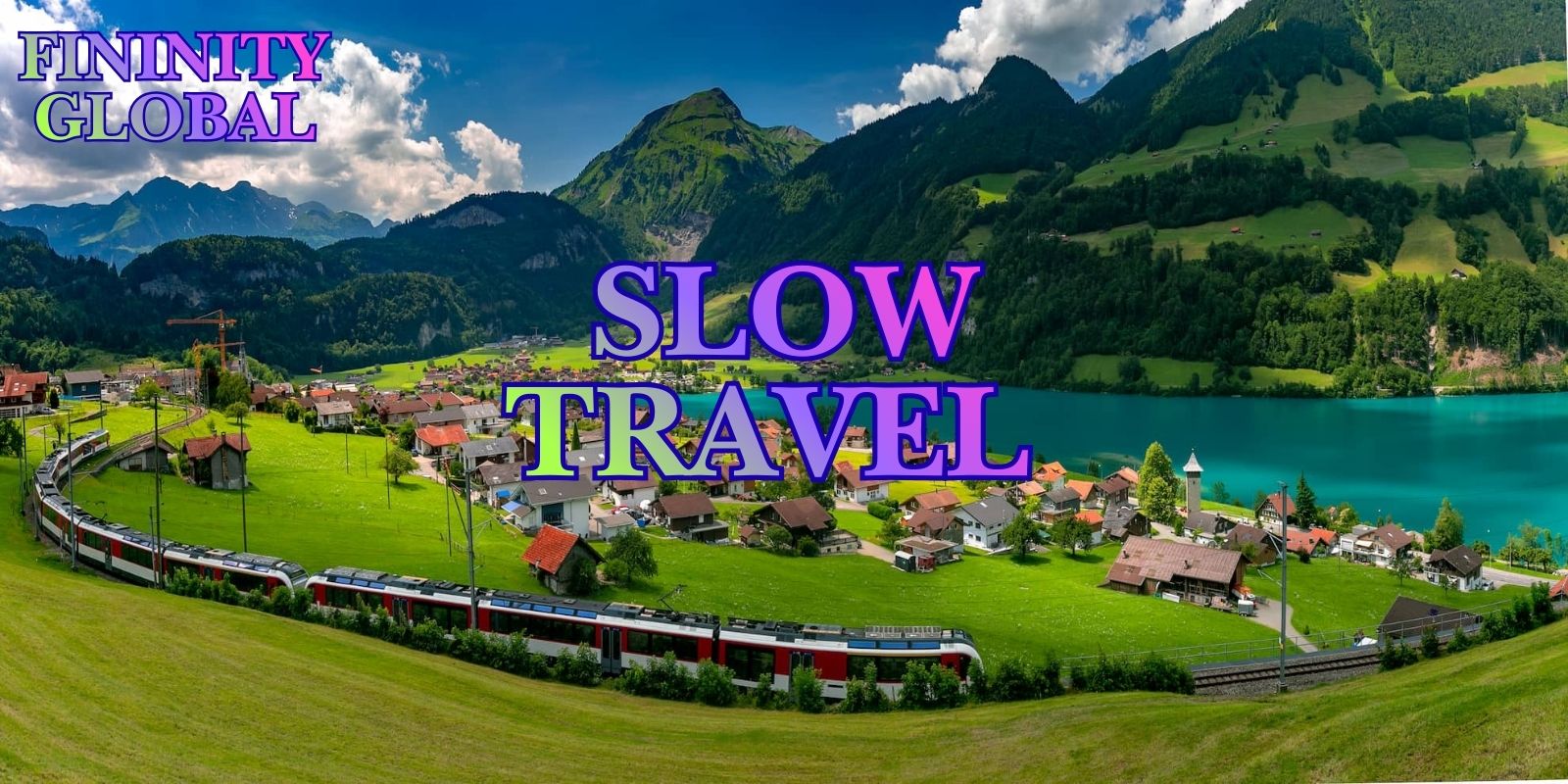

The Rise of Slow Travel: How to Explore the World More Meaningfully
Slow Travel Slowing Down Can Create Deeper, More Meaningful Travel Experiences
Slow travel invites us to trade hurried checklists for lingering moments — to favor depth over distance, relationships over rush, and curiosity over consumption. As a response to hurried tourism, helps travelers connect with places and people in ways that linger long after the plane lands.
What Is Slow Travel?
Slow travel is a mindset as much as a style: it prioritizes lingering, learning, and local relationships instead of rushing to tick off sights. A slow traveler might choose a single region and spend weeks exploring its rhythm, Slow Travel learning its food, and soaking in everyday life rather than hopping between capitals.
At its core, it rejects the “more is better” tourist mentality in favor of the thoughtful and the sustainable. often characterized by longer stays, reduced transit, and a willingness to follow local Slow Travel recommendations rather than guidebook checklists.
it also includes deliberate practices like learning basic phrases in the local language, shopping at markets, and supporting family-run businesses. Those small choices build deeper connection and produce a travel experience that feels personally significant rather than superficially busy.
Why Slow Travel Is Rising
The appetite for grows out of fatigue with the frenetic pace of modern life and the hollow feeling of vacations that are little more than photo ops. Travelers increasingly want experiences that refresh the mind, not just fill an Instagram feed.
Sustainability concerns also push people to reconsider frequent flying and short, intensive itineraries. Longer stays and fewer flights reduce environmental impact while investing more economically in local communities through sustained spending during a single visit.
Finally, aligns with a broader cultural shift toward wellbeing and intention. People are carving time for mental health, presence, and learning — and travel offers a uniquely fertile ground for practicing those values in new cultural contexts.
How to Practice Slow-Travel
Start by choosing depth over distance: pick one region or town and plan to stay several days or weeks. This reduces transit fatigue and creates time for serendipity — the unplanned conversations, invitations, and discoveries that don’t fit into a tight schedule.
Design an itinerary that balances structure with plenty of unscheduled hours. Schedule a few anchors — a market visit, a cooking class, or a day hike — and then leave long blocks for wandering, talking with locals, or simply watching daily life unfold.
Engage with the place like a temporary resident: learn basic language phrases, shop at small markets, eat where locals eat, and consider renting an apartment or staying in family-run guesthouses. Those choices open pathways to authentic connection that short stays rarely offer.
Where Slow Travel Works Best
thrives in regions where local rhythms are rich and varied — from coastal villages and wine regions to small cities with neighborhoods to explore. Areas with strong culinary traditions, craft cultures, and accessible nature are especially Slow Travel rewarding for lingering travelers Slow Travel.
Rural destinations and islands often reward slow visitors because the pace of life lets you observe seasonal practices and join community events. Urban neighborhoods with strong local identities also work well, allowing you to rotate through markets, cafes, parks, and cultural venues with ease.
That said, limited to off-the-beaten-path locations. Even popular cities can be experienced slowly by choosing one neighborhood as your base and resisting the temptation to sprint across the whole city in a few days Slow Travel.
Impact on Communities & Environment
When done thoughtfully, benefits local economies by directing spending toward small businesses, artisans, and locally owned accommodations. Longer stays mean travelers are more likely to hire guides, buy groceries, and Slow Travel invest in community-led experiences, circulating money where it matters Slow Travel.
Environmentally, often reduces carbon intensity because travelers fly less and rely more on trains, buses, bikes, and walking. It also encourages respect for local environments since repeated visits foster familiarity and responsibility toward preserving natural and cultural assets.
However, it must avoid romanticizing or commodifying local life. Ethical includes listening to community needs, paying fair prices, and supporting projects that locals lead so that tourism strengthens, rather than distorts, cultural practices.
Key Takeaways
- it emphasizes depth and relationship over speed and quantity of destinations.
- Longer stays and local engagement create richer memories and often reduce environmental impact.
- Practicing means staying flexible, learning local rhythms, and supporting small businesses.
- Many places — rural and urban alike — can be experienced slowly by choosing a neighborhood or region as your base.
- Ethical slow travel balances curiosity with respect, ensuring benefits flow to communities and environments.
Frequently Asked Questions
Is slow-travel more expensive than typical tourism?
Not necessarily. While longer stays can increase accommodation costs, often reduces transit expenses and allows you to cook, shop locally, and access discounts for extended bookings. Choosing modest lodging and staying in one place can keep costs manageable while deepening the experience.
How long should I stay to experience slow-travel?
There’s no fixed length — a long weekend with a local-focused plan can be slow if paced intentionally, while ideal slow travel often means several days to weeks in one place. The key is to allow enough time for unplanned moments and meaningful interaction to unfold.
Can slow-travel be family-friendly?
Yes. Families often find rewarding because longer stays reduce packing/unpacking stress and allow children to adapt and play in local settings. Choosing family-friendly accommodations and mixing restful days with light activities makes accessible and restorative for all ages.
How do I balance slow-travel with limited vacation time?
With short holidays, Slow Travel pick a nearby destination or choose one neighborhood and commit to a slower pace while there. Weekend slow travel to a small town or a city neighborhood can still produce meaningful rest and connection without needing a two-week break.
Is slow-travel safe in unfamiliar places?
Slow travel can be very safe when you prepare: research neighborhoods, choose trusted accommodations, and communicate with hosts. Spending time in one place allows you to build local knowledge and contacts, which often increases safety and confidence compared with hurried, surface-level touring.