

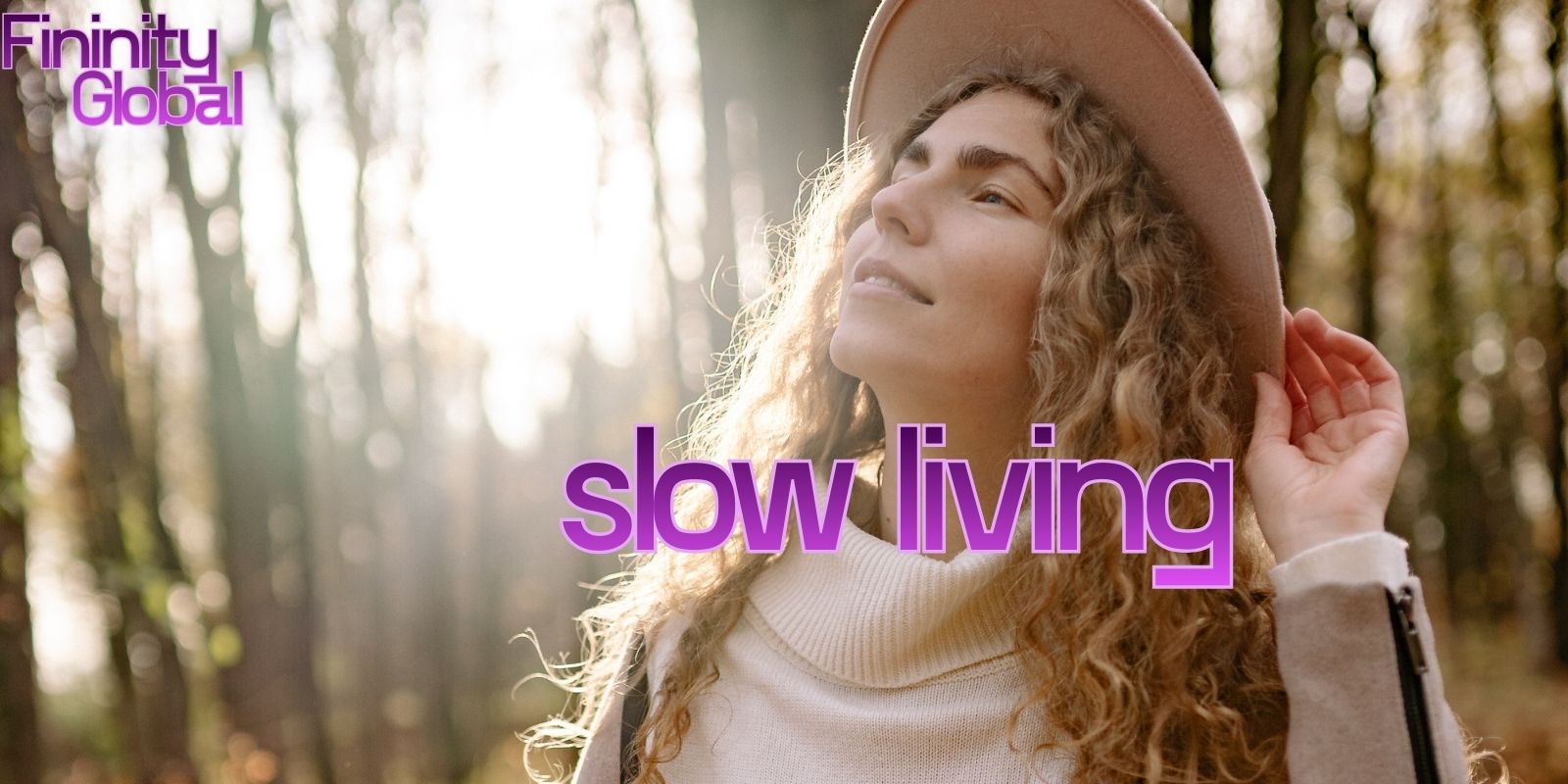

The Rise of Slow Living: How to Create a Calmer, More Intentional Life
How Mindfulness and Simplicity Can Transform Everyday Life
Slow living is a lifestyle movement focused on prioritizing intentional choices, mindfulness, and reducing unnecessary stress. It encourages slowing down daily routines, savoring experiences, and living in harmony with personal values.
What Is Slow Living?
intentionally slowing down the pace of life to focus on what truly matters. It’s not about doing less, but doing things more thoughtfully, and taking the time to appreciate everyday experiences.
It encourages mindfulness, self-reflection, and conscious decision-making. By removing unnecessary distractions and rushing, individuals can experience life more fully and align their actions with their values.
At its core, promotes harmony between work, leisure, and personal growth. It’s a lifestyle that prioritizes meaningful connections, creativity, and well-being over productivity or speed.
Why Slow Living Matters
Modern life often emphasizes speed, efficiency, and constant connectivity, which can lead to stress, burnout, and shallow experiences. counters these pressures by fostering balance and intentionality.
Slowing down allows individuals to better manage their mental and emotional health. By focusing on the present moment, people can reduce anxiety, appreciate small joys, and cultivate a sense of gratitude.
Moreover, nurtures deeper relationships. When we prioritize quality time and active listening, we strengthen bonds with family, friends, and community, leading to more fulfilling social connections.
Principles of Slow Living
Key principles include mindfulness, simplicity, and intentionality. Mindfulness encourages full engagement with each activity, whether cooking a meal, walking, or spending time with loved ones.
Simplicity involves decluttering both physical and mental spaces. This reduces overwhelm and creates an environment conducive to focus, reflection, and joy.
Intentionality guides daily choices to align with personal values. By prioritizing what matters, individuals can spend time on activities that truly enrich their lives instead of reacting to external demands.
Practical Tips to Embrace
Start by simplifying routines. Reduce multitasking, plan your day thoughtfully, and allow time for reflection. Prioritize tasks that align with your values and let go of unnecessary obligations.
Practice mindfulness daily. Meditation, journaling, or simply focusing on one task at a time can help cultivate presence and awareness. Pay attention to sensory experiences and savor small moments.
Limit digital distractions and social media use. Set boundaries for screen time and create tech-free periods. This encourages deeper engagement with people, nature, and creative pursuits.
Benefits of Slow Living
promotes mental clarity and reduces stress. Taking time to pause and reflect allows for better decision-making and emotional regulation, leading to improved overall well-being.
It enhances relationships by encouraging presence and active listening. Meaningful interactions replace rushed conversations, fostering stronger bonds with family, friends, and colleagues.
Slow living also encourages personal growth and creativity. By focusing on quality rather than quantity, individuals can cultivate hobbies, explore passions, and develop skills that enrich life.
Challenges and How to Overcome Them
Adopting slow living can be challenging in a fast-paced society that values productivity and speed. Peer pressure and cultural norms may make slowing down feel counterintuitive or difficult.
Digital distractions can interfere with mindfulness. Overcoming this requires deliberate habits such as scheduled screen-free times, mindful consumption, and prioritizing in-person interactions.
Time management can also be a challenge. To counter this, set realistic goals, focus on meaningful tasks, and practice saying no to obligations that do not align with personal values.
Key Takeaways
- Emphasizes mindfulness, simplicity, and intentionality in daily life.
- It helps reduce stress, improve mental clarity, and enhance emotional well-being.
- Focusing on quality over quantity strengthens relationships and personal growth.
- Practical practices include simplifying routines, mindfulness, and reducing digital distractions.
- Adopting slow living requires conscious effort, habit changes, and prioritizing what truly matters.
Frequently Asked Questions
Is slow living only for certain lifestyles?
No, can be adapted to any lifestyle. It’s about intentional choices rather than a rigid set of rules, making it flexible for individuals, families, and professionals.
How can I start practicing slow living?
Start small by simplifying your routines, practicing mindfulness, and setting boundaries with technology. Gradually integrate intentional activities that align with your values.
Will slow living affect my productivity?
Slow living does not reduce productivity; it improves focus and prioritization. By concentrating on meaningful tasks, you may find that you accomplish more with less stress.
Can slow living improve relationships?
Yes, by prioritizing presence and mindful interactions, encourages deeper connections and more meaningful conversations with family, friends, and colleagues.
Is slow living the same as minimalism?
Not exactly. While minimalism focuses on reducing possessions, emphasizes pace, intentionality, and mindfulness in daily life. Minimalism can be a part of , but it is not required.