

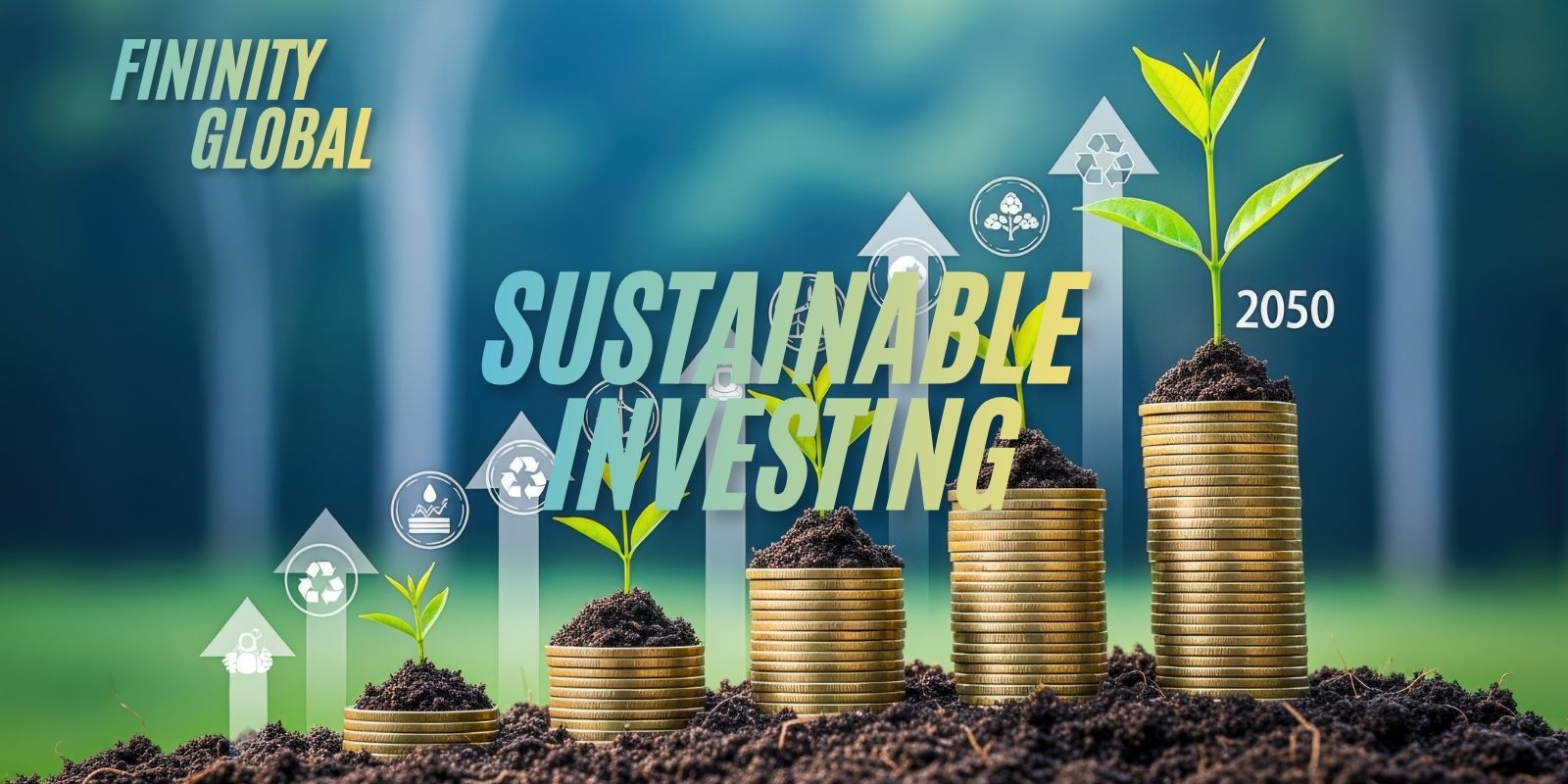

Invest in a Better Tomorrow — Sustainably and Responsibly
Sustainable Investing: Building Wealth with Purpose
Sustainable investing is transforming the way the world views finance. Investors are no longer focused only on profits but also on how their money impacts people and the planet. This shift toward purpose-driven investing reflects a growing desire to align values with portfolios, ensuring that financial success contributes to a more equitable and sustainable future.
Explore how sustainable investing connects profit with purpose. Learn how ESG principles, green innovation, and conscious consumer trends are reshaping the global financial landscape.
Table of Contents
- Understanding Sustainable Investing
- The Rise of ESG Principles
- Strategies for Sustainable Portfolios
- The Impact on Global Markets
- Challenges and Misconceptions
- The Future of Sustainable Investing
- Key Takeaways
- FAQ
Understanding Sustainable Investing
Sustainable investing is an approach that integrates environmental, social, and governance (ESG) factors into investment decisions. It goes beyond simple profit maximization, focusing on companies that operate responsibly and create long-term value for all stakeholders. This form of investing recognizes that sustainability and profitability are deeply interconnected.
The roots of sustainable investing trace back to ethical and socially responsible investing (SRI), where investors avoided industries such as tobacco, weapons, and fossil fuels. Today, the scope has expanded, embracing proactive engagement and innovation to drive change. Modern investors want their capital to not just grow — but to make a difference.
This shift in mindset aligns closely with global awareness movements and conscious consumer behavior. Individuals are now using both their wallets and portfolios to influence the world they want to live in, reinforcing that sustainability isn’t a trend but a transformation in how we define success.
The Rise of ESG Principles
ESG—environmental, social, and governance—criteria form the foundation of sustainable investing. Environmental factors include a company’s carbon footprint and resource efficiency; social criteria cover labor practices and community impact; governance focuses on transparency, leadership ethics, and shareholder rights. Together, these pillars offer a holistic view of a company’s long-term resilience.
Investors and institutions are increasingly using ESG ratings to assess risk and opportunity. Companies with high ESG scores often exhibit better operational performance and lower capital costs, suggesting that sustainability is not only ethical but financially prudent. ESG data helps investors differentiate between responsible leaders and laggards in every sector.
The growing emphasis on ESG has also encouraged new kinds of financial products—ESG ETFs, green bonds, and sustainability-linked loans. These innovations make it easier for both individual and institutional investors to channel funds toward positive impact without sacrificing returns.
Strategies for Sustainable Portfolios
Building a sustainable portfolio begins with clear intent. Investors can choose exclusionary strategies—avoiding harmful industries—or inclusionary ones that actively seek leaders in sustainability. Thematic investing focuses on areas like clean energy, gender equality, or circular economy innovation, directly supporting transformative industries.
Engagement is another key approach. Shareholders are increasingly using their voting rights to influence corporate behavior, demanding accountability and better ESG disclosure. This active ownership helps shift corporate priorities from short-term profits to long-term resilience and responsibility.
Even personal well-being and lifestyle choices echo sustainable thinking. Practices like couples yoga and partner yoga show how mindfulness is entering not just our daily routines but also our financial decisions—encouraging balance, empathy, and purpose across all aspects of life.
The Impact on Global Markets
Sustainable investing is no longer a niche—it’s mainstream. Global assets under ESG-focused management now exceed tens of trillions of dollars, influencing how companies operate, report, and innovate. As sustainability becomes a financial metric, firms are redesigning strategies to attract long-term investors who value transparency and responsibility.
Industries like renewable energy, electric vehicles, and green construction have seen explosive growth thanks to sustainable capital flows. This shift is also creating job opportunities, technological advancements, and new forms of cross-border collaboration aimed at reducing global emissions.
Consumer sentiment plays a big role here too. People are more inclined to support brands and funds that reflect their ethics. Companies that demonstrate authenticity—whether through sustainability commitments or initiatives aligned with well-being—build loyalty and outperform peers over time.
Challenges and Misconceptions
Despite its momentum, sustainable investing faces skepticism and growing pains. Some critics argue that ESG metrics are inconsistent or that “greenwashing” allows companies to appear more responsible than they are. Standardization remains an ongoing challenge, though efforts by regulators and independent auditors are improving transparency.
Another misconception is that sustainability comes at the expense of returns. In reality, multiple studies show that ESG-integrated portfolios perform competitively—often with lower volatility. Companies that manage environmental and social risks proactively tend to be more adaptable and resilient during market shocks.
Sustainable investors must also balance ideals with pragmatism. Perfection is rare, and meaningful progress often comes from gradual improvement and active engagement. The key is not exclusion alone, but supporting organizations genuinely committed to bettering their impact over time.
The Future of Sustainable Investing
The next evolution of sustainable investing will combine technology, transparency, and personalization. Artificial intelligence and blockchain are being used to verify ESG data and track the real-world impact of investments, creating greater accountability and investor confidence.
Additionally, sustainability will expand beyond companies to include entire ecosystems—supply chains, communities, and consumers. Collaboration across public and private sectors will drive measurable progress toward climate goals and social equity.
The future investor is both informed and inspired, using money as a tool for positive transformation. From sustainable innovation to personal wellness—highlighted by mindful lifestyle products like JimmyJane Love Pods or insights from the JimmyJane Form Series Guide—the pursuit of balance between growth and good will define the next generation of investing.
Key Takeaways
- Sustainable investing integrates ethics, environment, and profitability.
- ESG criteria provide a framework for evaluating long-term corporate health.
- Active ownership and engagement can drive meaningful corporate change.
- Investors no longer need to sacrifice returns to support sustainability goals.
- The future will blend technology, transparency, and mindful purpose in investing.
FAQ
What is the main goal of sustainable investing?
The goal is to achieve competitive financial returns while promoting environmental protection, social responsibility, and ethical governance practices.
How does ESG differ from traditional investing?
ESG investing considers non-financial factors like carbon impact and labor ethics, offering a more comprehensive understanding of a company’s long-term stability.
Can sustainable investments be profitable?
Yes. Studies show that companies with strong ESG performance often experience lower risks, improved brand reputation, and long-term financial outperformance.
What are common types of sustainable investments?
Common categories include ESG-focused ETFs, green bonds, impact funds, and thematic strategies targeting clean energy or social innovation.
Where can I learn more about sustainable living and mindful choices?
For insights that blend sustainability with personal well-being, explore resources like this sensory exploration guide, which reflects the growing harmony between lifestyle balance and conscious decision-making.